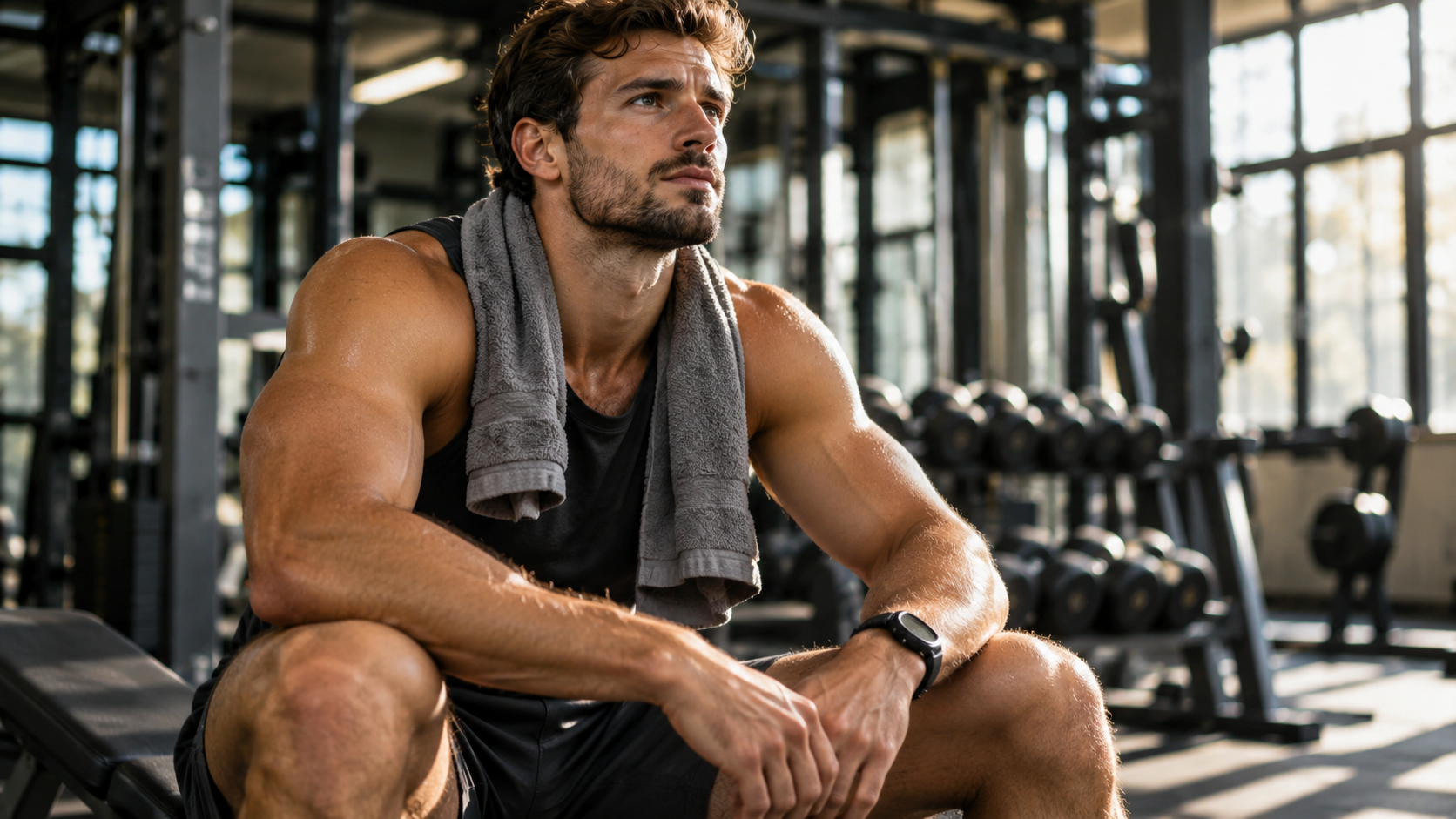
From playing football as a child to training for the person I want to be at 60.
Sport has been part of my life for as long as I can remember.
I started playing football when I was six years old and continued for around 13 years. Over time, I also experienced other activities, including swimming, volleyball, skiing and golf.
Being active was simply part of my everyday life.
But as I got older, my understanding of health started to change.
I began to realise that being healthy isn’t just about playing sports, looking fit or lifting heavy weights. It’s about building a body and lifestyle that will support you not only today, but also in the future.
That’s why I started paying more attention to how I train, what I eat and how I take care of myself.
1. Health is more than appearance
When people talk about fitness, the conversation often focuses on appearance.
Building muscle, losing weight, getting stronger or achieving a certain body shape.
There’s nothing wrong with having those goals. They can be great motivation.
But I think health is much bigger than that.
It’s about having the energy to enjoy your everyday life. It’s about being physically capable, feeling good in your body and maintaining the ability to do the things you enjoy.
I don’t want to train just to look a certain way.
I want to remain strong, mobile and active as I get older.
I want to be able to travel, explore new places, participate in activities and enjoy life without unnecessary physical limitations.
2. Consistency matters more than motivation
One of the biggest lessons I’ve learned through sport is that motivation comes and goes.
Some days you feel energetic and excited to train. Other days, you would rather stay at home.
If you rely entirely on motivation, it becomes difficult to stay consistent.
That’s why I believe building a routine is so important.
You don’t need every workout to be perfect. You don’t need to break records every week. You simply need to keep showing up.
Some training sessions will be better than others. Progress can be slow, and sometimes you might feel like you’re not moving forward at all.
But over months and years, consistency makes a difference.
Small actions repeated regularly can become something much bigger.
3. Strength training is an investment in the future
Strength training has become an important part of my lifestyle.
It’s not only about building muscle. Resistance training can support physical function, strength and independence as we age.
Think about the things you want to be able to do when you’re 40, 50, 60 or even older.
Carry your luggage without struggling. Walk long distances. Climb mountains. Play with your children or grandchildren. Enjoy holidays without worrying about whether your body can handle the activities.
These things might seem ordinary today, but maintaining that physical ability takes effort.
I see training as an investment in my future self.
The goal isn’t to become the strongest person in the gym.
It’s to build a body that allows me to live the life I want.
4. Nutrition matters just as much as training
You can spend hours in the gym, but your lifestyle outside the gym also matters.
Food provides the energy and nutrients your body needs to function, recover and adapt to exercise.
Over time, I’ve become more aware of the importance of eating properly and getting enough protein.
I don’t believe healthy eating needs to be complicated.
You don’t need to follow every new diet trend or completely change your life overnight.
For me, the basics are more important:
·
Eat a variety of nutritious foods.
·
·
Get enough protein.
·
·
Include fruit and vegetables.
·
·
Drink enough water.
·
·
Avoid making highly processed food the foundation of your diet.
·
·
Find an approach you can maintain over the long term.
·
The best diet is not necessarily the most restrictive one.
It’s the one that supports your health and fits into your everyday life.
5. Recovery is part of progress
When you’re motivated to train, it’s easy to think that more is always better.
More workouts, more weight, more repetitions.
But your body also needs time to recover.
Sleep, rest and managing stress are important parts of a healthy lifestyle.
Training creates a stimulus. Recovery allows your body to adapt.
Ignoring recovery can eventually work against your progress.
I’ve learned that looking after your body doesn’t mean constantly pushing it to its limits.
Sometimes it means knowing when to slow down.
6. Think about your health in the long term
One of the most important changes in my thinking was moving away from short-term goals.
Instead of asking only what I want to achieve this month, I started thinking about the person I want to be in 20 or 30 years.
What habits will help me stay healthy?
What should I be doing now to support my future?
How can I make physical activity a natural part of my life rather than something I do for a few months and then abandon?
These questions changed how I look at fitness.
Health isn’t a temporary project. It’s something you build throughout your life.
7. Find an activity you genuinely enjoy
Not everyone needs to spend hours lifting weights.
Some people love running. Others enjoy cycling, swimming, football, hiking, dancing or martial arts.
The important thing is finding something that makes you want to move.
If you genuinely enjoy an activity, it’s much easier to make it part of your routine.
You don’t need to copy someone else’s training programme or lifestyle.
Find what works for you.
And don’t be afraid to try something new.
What I want my future self to thank me for
I don’t expect to be in the same physical condition at 60 as I am today.
That’s not realistic, and it’s not the point.
What I want is to give my future self the best possible chance of remaining healthy, strong and independent.
I want to keep exploring the world, travelling, discovering new places and enjoying experiences.
And I understand that these things don’t happen automatically.
They are influenced by the decisions we make every day.
You don’t need to become a professional athlete or spend your entire life in the gym.
Start with something manageable. Walk more. Find a sport you enjoy. Improve your eating habits. Get enough sleep.
Then keep going.
Because taking care of your health is one of the most valuable investments you can make.
Build a life on your own terms.
— B FOR MYSELF